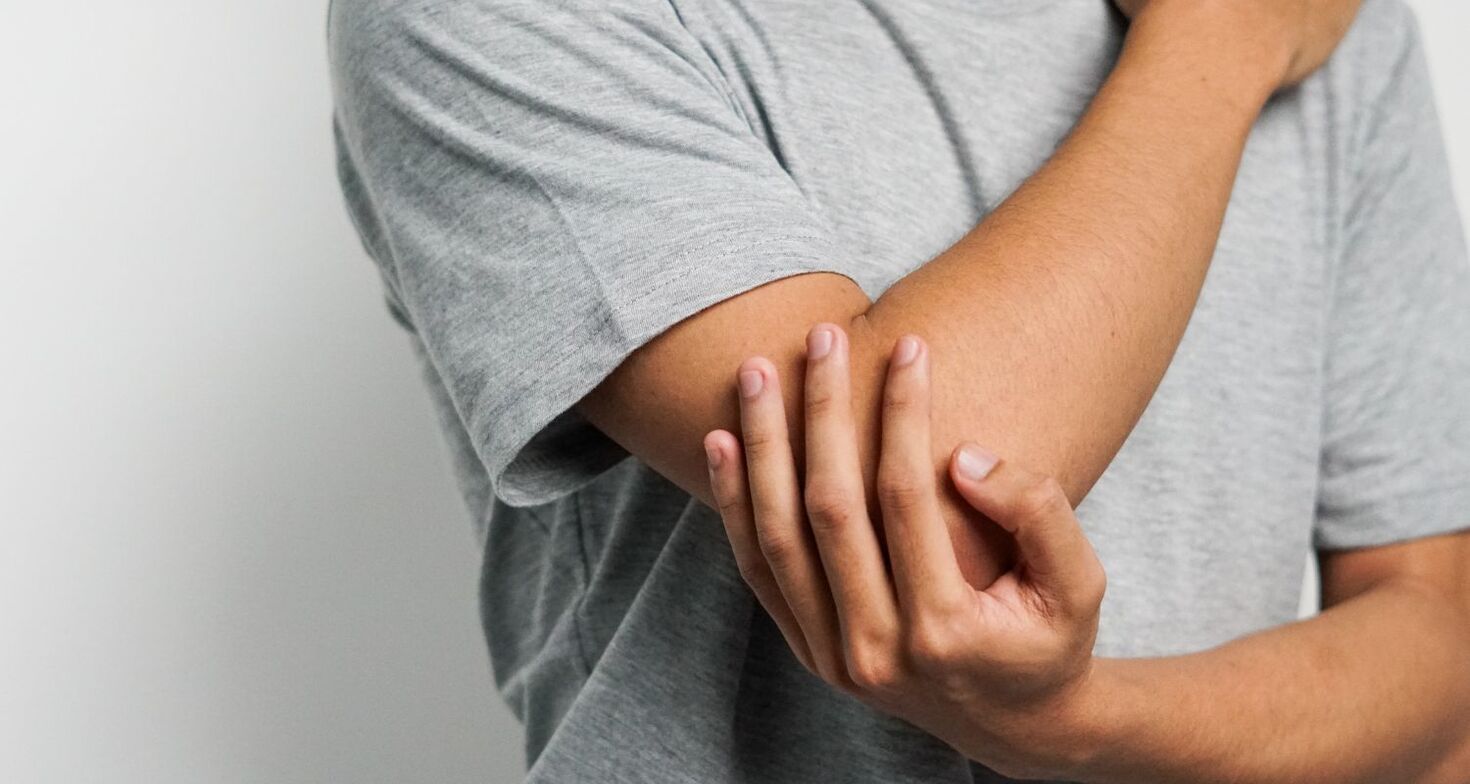
Elbow pain can affect everything—from lifting your morning coffee to enjoying your favourite sport on a sunny Kitsilano day. Whether it’s a lingering ache, sharp discomfort during certain movements, or pain radiating up and down your arm, elbow issues can disrupt your daily routine more than you might expect. Fortunately, physiotherapy in Kitsilano offers effective, evidence-based solutions for a wide range of elbow conditions, from tennis elbow and golfer’s elbow to more general strains that cause pain in the upper left or right arm between the elbow and shoulder.
This comprehensive guide breaks down why elbow pain happens, what symptoms to watch for, how physiotherapy helps, and the best treatment strategies used by clinicians to restore strength, mobility, and comfort—so you can get back to the activities you love.
Understanding Elbow Pain: Why It Happens
The elbow is a busy joint—every time you lift, grip, type, swing, pull, push, or carry, you’re engaging muscles, tendons, and nerves that cross the elbow. Because of its constant use, irritation and overload are extremely common.
Elbow pain can appear suddenly, such as after a sports injury, or develop gradually due to repetitive movements. People often search for symptoms like elbow pain when bending and straightening, elbow pain when extending, or pain in the elbow when straightening the arm—all signs that something in the joint, tendons, or surrounding muscles is irritated.
Let’s walk through the most common causes.
Tennis Elbow: What It Is & How It Feels
Tennis elbow, or lateral epicondylitis, is one of the most frequently treated conditions in physiotherapy clinics across Vancouver and Kitsilano. Despite its name, it doesn’t only affect tennis players. Anyone who performs repetitive gripping or wrist-extension movements can develop it—think office workers, tradespeople, weightlifters, gardeners, and parents lifting toddlers.
What is Tennis Elbow?
Tennis elbow occurs when the extensor tendons on the outside of the elbow become overloaded and inflamed. Over time, tiny micro-tears develop, leading to pain and reduced grip strength.
Common Tennis Elbow Symptoms
-
Pain or burning sensation on the outside of the elbow
-
Pain when gripping, lifting, twisting, or carrying
-
Weakness when extending the wrist
-
Stiffness or discomfort first thing in the morning
-
Pain radiating down the forearm
Tennis elbow can make even simple tasks difficult—opening jars, shaking hands, lifting groceries, or using a mouse can trigger sharp discomfort.
Golfer’s Elbow: The Other Side of Elbow Pain
Golfer’s elbow (medial epicondylitis) affects the inside of the elbow—essentially the opposite side from tennis elbow. It is common among golfers, baseball players, rock climbers, and anyone repeatedly flexing the wrist or gripping tightly.
Symptoms of Golfer’s Elbow
-
Pain on the inside of the elbow
-
Discomfort when making a fist or gripping
-
Pain radiating into the forearm or wrist
-
Tenderness along the inner elbow bone
-
Reduced grip strength
Much like tennis elbow, golfer’s elbow stems from repetitive overuse—but affects different tendons and muscles.
Pain Between the Elbow and Shoulder: Upper Arm Strain Explained
Another common complaint is pain in the upper left arm between elbow and shoulder or pain in the upper right arm between elbow and shoulder. This discomfort can feel like a deep ache, tension, or sharp twinge when lifting, reaching, or carrying.
Upper-arm pain can be caused by:
-
Biceps tendon irritation
-
Deltoid strain
-
Rotator cuff dysfunction
-
Neck or nerve referral
-
Repetitive lifting or overhead work
Because shoulder mechanics influence elbow function (and vice versa), physiotherapists in Kitsilano often assess both areas during treatment.
Why Am I Getting Elbow Pain When Straightening or Bending My Arm?
Movements that trigger discomfort—such as elbow pain when bending and straightening, or sharp pain when extending the arm—typically point to:
-
Tendon irritation
-
Joint stiffness
-
Muscle imbalance
-
Nerve sensitivity
-
Previous overuse injury
Physiotherapy is highly effective at identifying which structure is irritated and restoring normal movement patterns.
How Physiotherapy Helps Treat Elbow Pain
Effective treatment requires more than rest; it requires targeted rehabilitation that reduces pain, promotes tissue healing, strengthens weak areas, and restores proper movement patterns.
Here’s how Kitsilano physiotherapy uniquely supports elbow pain recovery:
1. Detailed Assessment
A physiotherapist begins with a full evaluation of:
-
Pain location and movement triggers
-
Joint mobility
-
Muscle strength and flexibility
-
Grip strength
-
Posture and repetitive-work habits
-
Shoulder and wrist mechanics
This assessment reveals the root cause of your elbow pain—not just the symptoms.
2. Manual Therapy to Reduce Pain
Hands-on treatment helps decrease tension, improve blood flow, and restore joint mobility. Techniques may include:
-
Soft-tissue release
-
Myofascial techniques
-
Joint mobilization
-
Trigger point therapy
-
Assisted stretching
These help relieve pain in both the elbow and the surrounding arm muscles.
3. Corrective Exercise Program
Strengthening and mobility exercises are essential to long-term recovery—especially for tennis elbow, golfer’s elbow, and arm strain.
A physiotherapist may prescribe:
-
Wrist extensor and flexor strengthening
-
Eccentric loading exercises
-
Stretching for the forearm and upper arm
-
Grip-strengthening movements
-
Shoulder and scapular-stability work
-
Posture and ergonomic corrections
These exercises target the root cause of your pain and help prevent recurrence.
4. Education on Movement & Load Management
Understanding which movements help or harm your recovery is crucial. Your physiotherapist will guide you on:
-
Proper lifting and gripping mechanics
-
Activity modifications
-
Ergonomic adjustments for work or sport
-
How to gradually return to full activity
This ensures you recover safely without re-injury.
5. Modalities for Pain Relief
Physios may also use adjunct treatments such as:
-
Ultrasound
-
Shockwave therapy
-
TENS
-
Heat or cold therapy
These help reduce inflammation and promote tissue repair.
Physiotherapy Solutions for Specific Elbow Conditions
Because every condition responds best to tailored care, here’s how physiotherapy typically treats the most common elbow injuries in Vancouver.
Tennis Elbow Treatment
-
Eccentric wrist extensor strengthening
-
Forearm stretching
-
Manual therapy to reduce tendon tension
-
Grip-strength progression
-
Shockwave therapy (when appropriate)
-
Activity modification to avoid painful overload
Golfer’s Elbow Treatment
-
Strengthening of wrist flexors and forearm muscles
-
Manual therapy for inner-elbow tendon release
-
Gentle stretching
-
Shoulder and scapular mechanics training
-
Sport- or work-specific rehabilitation
Upper-Arm Strain Treatment
-
Biceps or deltoid strengthening
-
Rotator cuff and shoulder stabilization
-
Manual therapy to improve mobility
-
Postural correction
-
Gradual return-to-load program
Frequently Asked Questions About Elbow Pain
1. How long does it take to recover from tennis elbow?
Most people see improvement within 6–12 weeks with physiotherapy, though chronic cases may take longer. Early treatment speeds recovery.
2. Should I rest or exercise my elbow when it hurts?
Rest helps initially—but prolonged rest can weaken tissues. Guided physiotherapy exercise is the most effective long-term solution.
3. Can elbow pain go away on its own?
Mild strains may improve with rest, but persistent symptoms usually require physiotherapy to prevent chronic irritation.
Why Choose Physiotherapy For Elbow Pain Relief?
West 4th Physiotherapy Clinic in Kitsilano offers a strong community of health professionals, and local physiotherapists are experienced in treating sport-related and lifestyle-related elbow injuries. Whether your pain started at work, at the gym, on the golf course, or while playing tennis along Vancouver’s west side beaches, physiotherapy provides the personalized, hands-on care needed for optimal recovery.
With evidence-based treatment, progressive strengthening, and expert guidance, physiotherapy empowers you to rebuild strength, reduce pain, and return to your favourite activities with confidence.
Elbow pain doesn’t have to limit your life. Whether you’re dealing with tennis elbow, golfer’s elbow, elbow pain when straightening your arm, or pain in your upper arm between the shoulder and elbow, physiotherapy provides a clear, effective path forward.
Through assessment, hands-on treatment, targeted exercise, and expert guidance, our physiotherapists in Kitsilano can help you overcome discomfort and regain strength, mobility, and confidence in your everyday movements.
If you're ready to move without pain again, elbow physiotherapy is one of the most effective ways to get there.